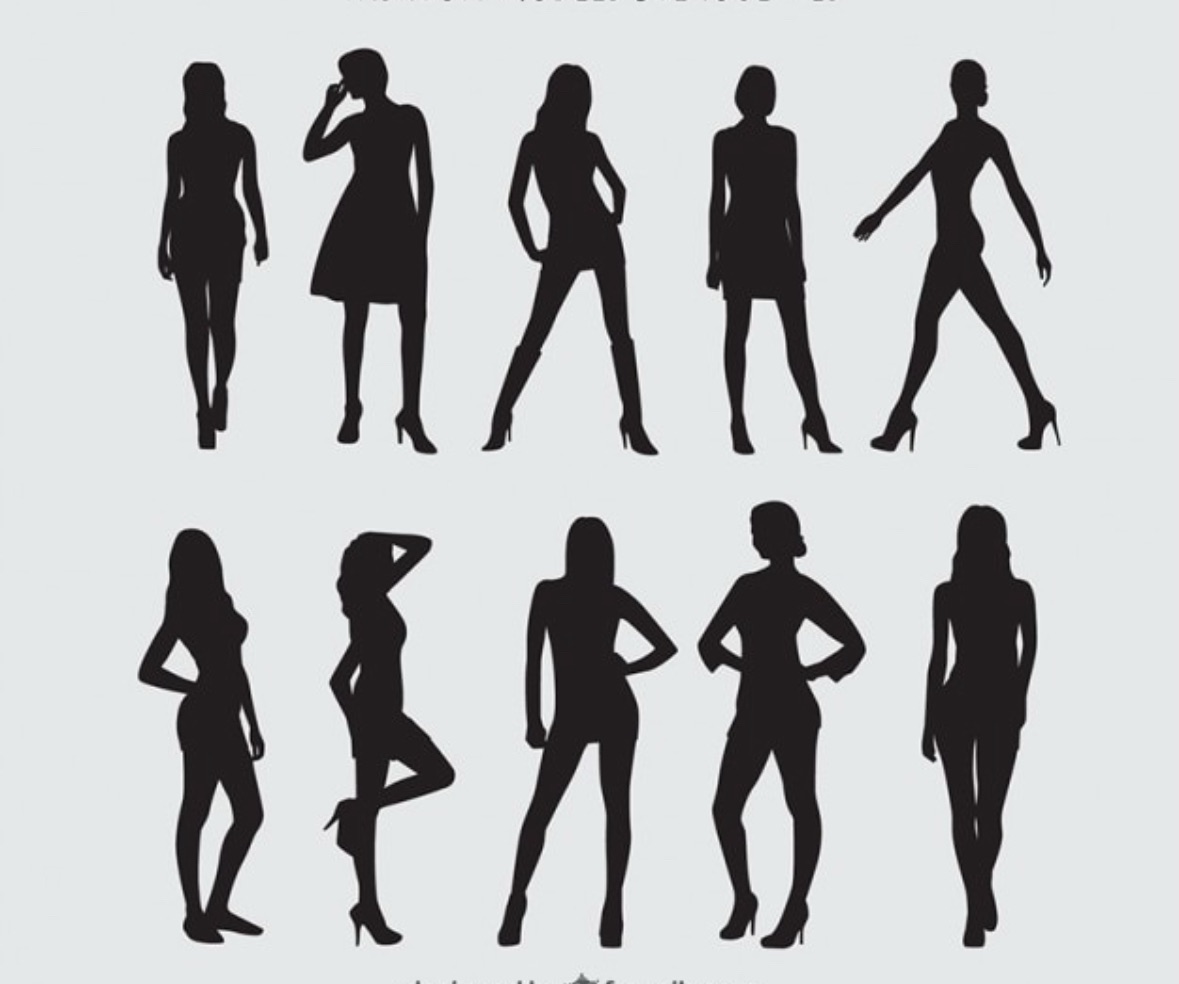
The Second Skin: The Revealing Raunch of Female Form-Fitting Clothing and Its Cultural Charge
In the early decades of the 21st century, a quiet revolution reshaped the public silhouette. What once belonged to boudoirs, gyms, and private fantasies moved boldly into daylight: leggings cleaving to the hips like liquid, yoga pants mapping curves with the accuracy of a CAD render, stretchy fabrics drawing the eye tracingly down the female form. A new aesthetic emerged—one that is not merely body-conscious but body-revealing, a second skin that blurs the line between fashion and anatomy.
Today’s streets, coffee shops, and classrooms are filled with figures outlined in high fidelity, a kind of “public sensuality” that is neither accidental nor entirely innocent. These garments amplify the erotic without overtly declaring it—producing a mesmerizing tension between what is clothed and what is effectively unveiled. In this cultural moment, the female body becomes not only seen but displayed, a contour offered to the gaze in a way previous generations would have considered scandalous, perhaps even subversive.
What makes the second skin fascinating is not just its raunch—though the raunch is unmistakably there—but its cultural charge. It has become a symbol of autonomy, athleticism, and sexual confidence, even as it triggers an undeniable surge of visual electricity in the people who witness it. The wearer claims empowerment; the observer grapples with instinct. Between them lies an unspoken negotiation: the right to reveal, the right to look, and the shared human experience of inhabiting a world where bodies are no longer hidden but sculpted in fabric so thin it might as well be narrative.
The second skin does not whisper.
It clings, it contours, it confronts—and in doing so, it changes how we move, perceive, desire, and define the erotic in public life.