Culture & Society

Micro-Fame in the Age of Distributed Social Media

Micro-fame isn’t a glitch in the system—it’s the new architecture of online visibility. In a world where attention no longer flows from a few massive broadcasters but from thousands of overlapping micro-publics, visibility has become hyper-local, intensely personal, and often startlingly fragile. A creator can be virtually unknown to the wider world yet unmistakably famous within a TikTok niche, a Discord server, a subreddit, or a Mastodon instance. These small arenas generate their own constellations of recognition: bright clusters of followers who see you, engage with you, and sometimes scrutinize you with an intimacy the old mass-media spotlight never produced. Micro-fame is a smaller light, but it burns closer to the skin—and its consequences can be just as real.

Body Politics

The Second Skin: The Revealing Raunch of Female Form-Fitting Clothing and Its Cultural Charge

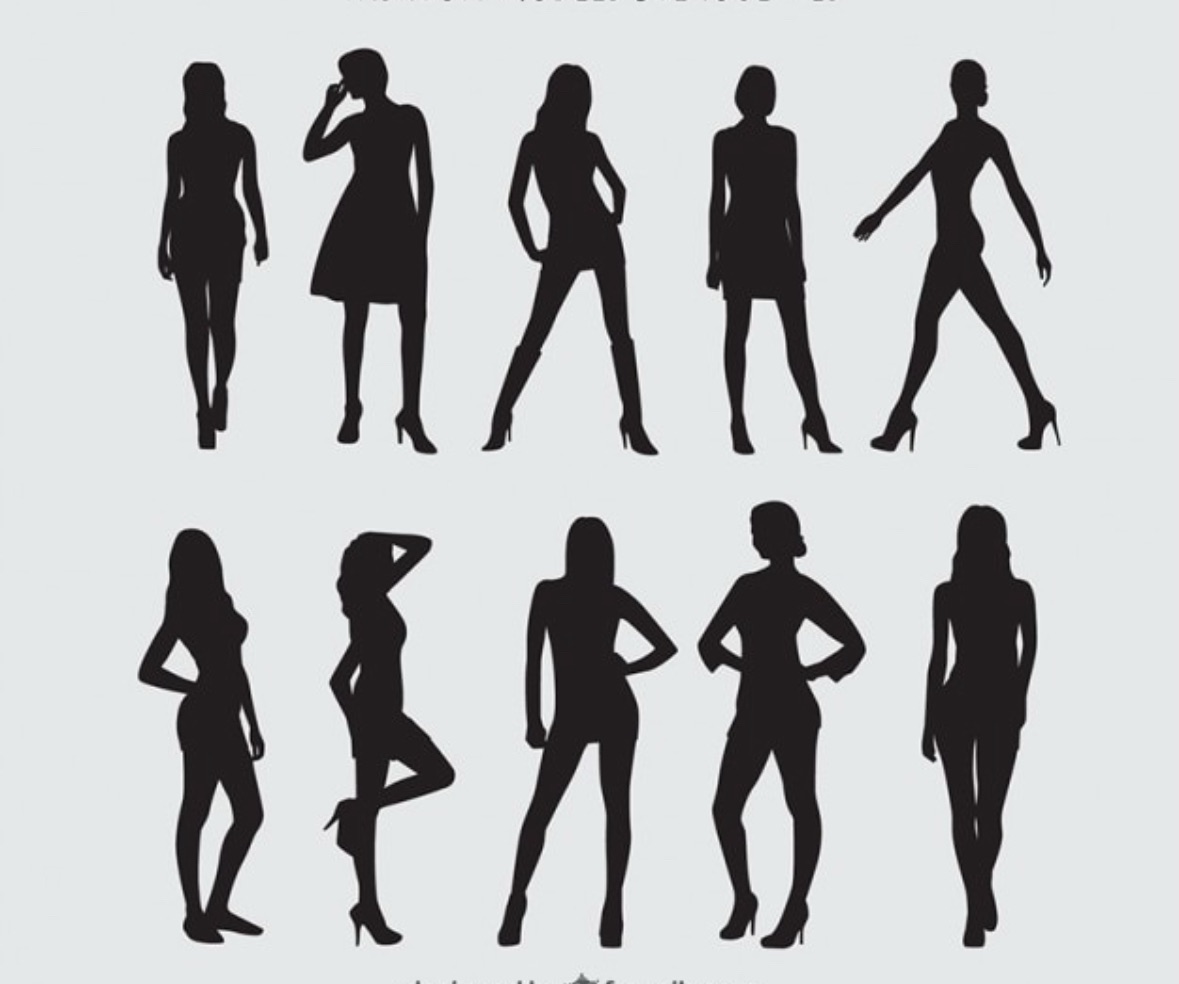
In the early decades of the 21st century, a quiet revolution reshaped the public silhouette. What once belonged to boudoirs, gyms, and private fantasies moved boldly into daylight: leggings cleaving to the hips like liquid, yoga pants mapping curves with the accuracy of a CAD render, stretchy fabrics drawing the eye tracingly down the female form. A new aesthetic emerged—one that is not merely body-conscious but body-revealing, a second skin that blurs the line between fashion and anatomy.

Today’s streets, coffee shops, and classrooms are filled with figures outlined in high fidelity, a kind of “public sensuality” that is neither accidental nor entirely innocent. These garments amplify the erotic without overtly declaring it—producing a mesmerizing tension between what is clothed and what is effectively unveiled. In this cultural moment, the female body becomes not only seen but displayed, a contour offered to the gaze in a way previous generations would have considered scandalous, perhaps even subversive.

What makes the second skin fascinating is not just its raunch—though the raunch is unmistakably there—but its cultural charge. It has become a symbol of autonomy, athleticism, and sexual confidence, even as it triggers an undeniable surge of visual electricity in the people who witness it. The wearer claims empowerment; the observer grapples with instinct. Between them lies an unspoken negotiation: the right to reveal, the right to look, and the shared human experience of inhabiting a world where bodies are no longer hidden but sculpted in fabric so thin it might as well be narrative.

The second skin does not whisper.
It clings, it contours, it confronts—and in doing so, it changes how we move, perceive, desire, and define the erotic in public life.

Constitutional and Legal

The Lawyer Sub-Aristocracy: A Sociological Look at Legal Status, Power, and Legitimacy

In a society that insists the law is neutral, the legal profession often operates like something else entirely: a status class that mediates power while claiming distance from it. This essay explores the “lawyer sub-aristocracy”—how prestige, credentials, networks, and courtroom culture create a professional layer that shapes who gets heard, who gets believed, and what justice is allowed to look like.

Deep State Cancel Cultural and Corruption

Principle of Dialectical Seduction: How Rebellion Becomes Obedience

Principle of Dialectical Seduction:

An idea can capture allegiance not through its truth, but through the illusion of shared struggle. When an intellectual praises populist vitality while secretly aligning with its negation, he transforms discourse into seduction — drawing minds toward rebellion only to reconcile them with authority. Thus, the appearance of dissent becomes the method by which conformity is coerced.

Constitutional and Legal

Maxim of Equal Suffering

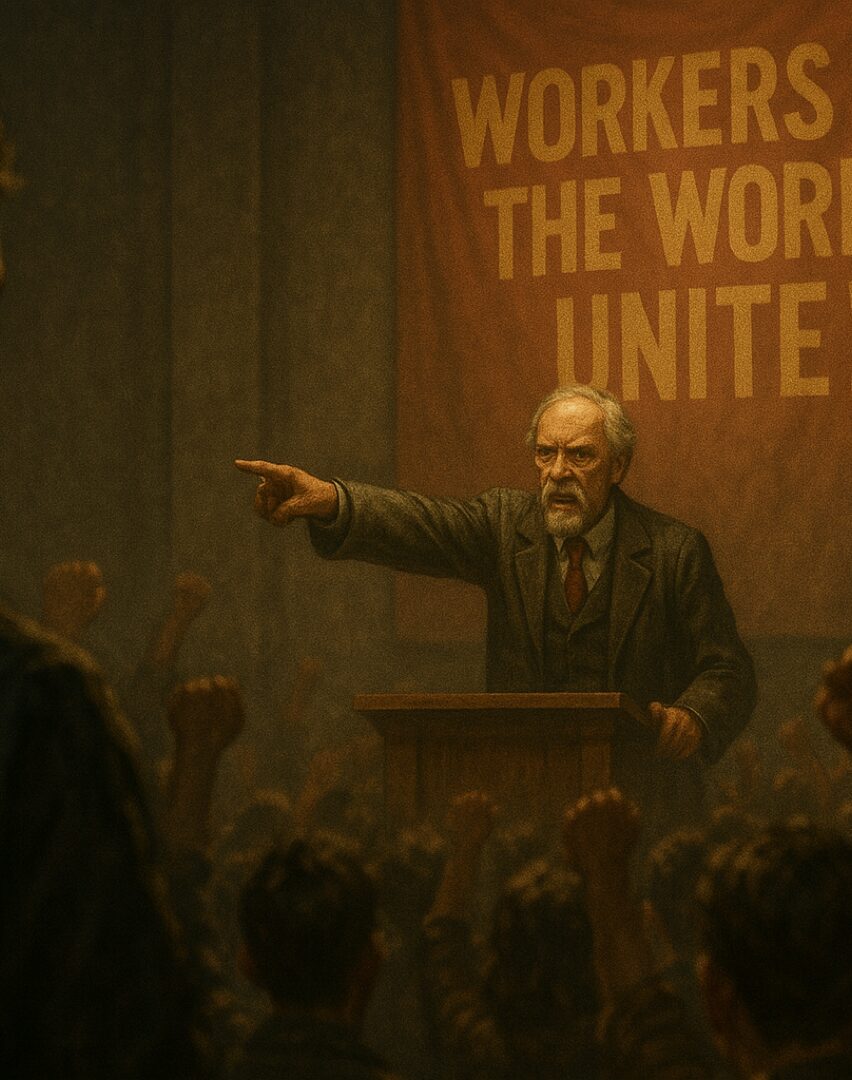
Marxism promises an end to exploitation and class hierarchy, but in practice it often replaces unequal wealth with equal misery. When no one is allowed to rise above another, excellence and prosperity must be suppressed, and scarcity turns into a tool of control rather than a problem to solve. The result is not shared flourishing, but a grim uniformity—a system where “equality” is achieved by pulling everyone down to the same level of deprivation.

Verified by MonsterInsights